Good morning,
As you may know, for two years I was lucky enough to teach tapping as part of an advanced anger management class in a county jail.
Yes!
I had guys in prison jumpsuits tapping along with me and really liking it.
I quickly realized that a number of inmates would never make it to my classes because of other obligations, such as studying for their high school diploma or working through a rehab program.
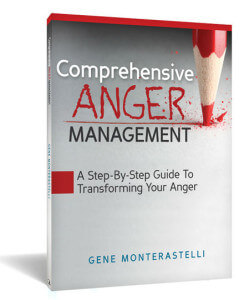
So I wrote a book containing all the tools I taught in class to make this powerful and transformative emotional work possible for them, despite not being able to attend the class.
It's Not An Anger Management Book
One day in class I had the guys writing answers to some questions be used with the next tool I planned to teach them.
One of the guys stopped and looked up at me. He said, “Mr. Gene this isn't an anger management class. This is an emotion class.” He paused for a second or two and then said, “And I'm OK with that,” and returned to his work.
He was right. I only framed the class as an anger management class because I knew that it would appeal to a lot of the inmates. Many of the men I met in jail were there as a direct result of their inability to control their anger. None of them would have been looking for an “emotions class”.
Once I had them on board with the approach and gained their trust, we could spend time on the deeper issues that were showing up as anger.
So this book is not an anger book, despite its title. It is about responding to all emotions in a healthy and proportional way.
The Best Resource I Have Ever Produced
Of all of the tools I have created, I believe this the best one! The comprehensive tools it teaches are presented in a straightforward, user-friendly, step-by-step fashion.
In the last week I have sent pdf copies of it to five of my clients. I told them, “I think that you’d find this tool in my anger book really useful. Let me send you a copy of it.”
I want you to have a copy of it too!
You Can Have A Copy Free Of Charge
I believe in the power of the tools in this book and I’d love everyone to be using them so I have set up a ‘name your own price’ deal for the pdf version of the book.
Which means that if you want a free pdf copy you can have one.
All of the proceeds from the book sales go towards supplying copies of the books to inmates. Each one costs me about $3.20 to print and send to an inmate. So if you do decide to buy it you will know exactly how many men and women you will be helping.
If you don't want a pdf version the book you can also purchase a Kindle or paperback version. (Unfortunately, I can't do name your own price for those two versions.)
I Will Match Your Contribution
In addition to all proceeds of the sales going buying more books I am going to match all sales in March and April with an equal donation to Kiva.
Kiva is an organization that makes micro loans to help people move from poverty to being able to take control of their circumstances. Socio-economic factors are a key contributor behind why people commit crime.
This way we are helping people who have made poor choices and helping people in desperate need avoid having to turn to crime.
You can access the book here:
Name your own price and download a PDF version. (And, yes, you can make that price $0!)
NOTE About Matching Donations: Kiva is an organization that makes micro loans to help people move from poverty to being able to take control of their circumstances. Socio-economic factors are a key contributor behind why people commit crime.
This way we are helping people who have made poor choices and helping people in desperate need avoid having to turn to crime.
I Am Serious About The Book Being Free
I don't want you to feel like I am laying a guilt trip on you. If right now you can't afford to buy the book then please, please, please download it free.
It contains powerful information and I want you to have it.
PS: The shopping cart for the pdf will default to $10, which is the Kindle price, but you can change to less (even 0) or more, if you are so inclined. Get it here:
 We all know that the more specific we can be when tapping, the more effective it will be. As a concept this is easy to understand, but in practice it is much harder to implement.
 Not all physical pain is the same. Pain can have many different root causes, ranging from physical wounds to emotional issues. Some pain passes as the body heals, while other pain is chronic.


 In my own life I have found that my level of confidence has less to do with how good I am at something and much more to do with how comfortable I am with myself at a given moment.
 Last year I spent some time trying to figure out what my next venture would be.
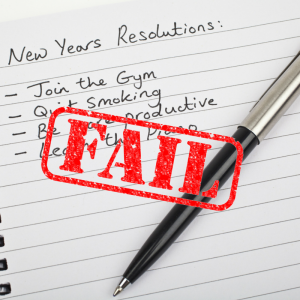
 As we move into the new year I am guessing you are like most people as you consider the goals you want to achieve in 2016.
 I hear it all the time from my clients when we are tapping together. We’ll finish a round of tapping and they will report that while we are tapping their critical voice is saying the exact opposite to our tapping phrases.
 Making big decisions can be difficult because the choices aren't always clear-cut and there may be many pros and cons to consider.
 As humans we are skilled at learning from our past.
 There is an amazing contradiction that exists for most people who use EFT. On one hand we know how powerful it is. On the other hand we don't use it as much as we could.
 Here in the United States the unofficial beginning of the holiday season kicks off tomorrow with Thanksgiving.
 It is that time of year again (at least in the northern hemisphere) where every time you turn around there is another person coughing or sneezing.