• Skip to primary navigation
  • Skip to main content
  • Skip to primary sidebar
  • Skip to footer
  • Leave A Tip

Tapping Q & A with Gene Monterastelli - Get the most out of tapping and EFT

  • Learn Tapping
  • Podcast
  • Video
  • About Gene
  • Work w/Gene
  • Archive
    • Every Post Ever
    • Q&A
    • Podcast
    • Videos
    • Tools
    • Tap Along
    • Sessions
  • Events
  • Contact Us

Pod #376: Tapping For How We Act Based On How Others See Us

August 7, 2019 by Gene Monterastelli

Recently I was introduced to the quote “I’m not who I think I am. I not who you think I am. I am who I think you think I am.”

[Note: Unfortunately the source of this quote is not clear, or I would provide it. It is variously credited to Charles Horton Cooley, Thomas Cooley, and Dennis Cooley.]

The gist of the quote is that we often find ourselves trying to live up to an imagined standard that we think other people have for us.

This is a surefire recipe for self-sabotage! Either we will be trying to do what we want to do and trying to do what we think others want us to do. This has us taking action in multiple and often conflicting ways, which results in little to no progress. OR we take no action at all because we are caught between our own desires and the perceived desires of others.

In this week’s podcast I provide two ways to remedy this situation.

First, I have a simple process for uncovering and tapping for the specific expectations we think others have for us. Second, I have more general tap-along to help you get moving even when you can’t see the beliefs clearly.

As always, I have included a text version of the tapping script below the audio player that you can print out.

Support the podcast!

Subscribe in: Apple | iPhone | Android | Google | Spotify | Pandora
I know that other people have impressions of me…They have beliefs about who I am…They have beliefs about what I am capable of…They have beliefs about how I act…And I also have an impression of what I think other people think about me…Based on who I am…Based on my experience…Based on her past interactions…I have written a story inside of my head about how they navigate the world…I’ve written a story inside of my head about what they think about me…It is possible that the story I have written about what they think about me has nothing to do with what they actually think about me…I’m in a situation where I respond to what I think they think…Because for me what I think they think is the reality I operate in…And my emotional response comes from this…The action I take is informed by it…This means my actions and emotions are impacted by a story written inside my head about what I’m guessing they think about me…It doesn’t matter if this is what is really going on…Because I am responding emotionally to the story that I have written…I give myself permission to let go of these stories…I give myself permission to know I don’t have to respond in this way…I give myself permission to define myself in my own terms…I give myself permission to choose who I am…Not what other people think I am…Not what I think other people think I am…But who I am…It is safe for me to be authentically me…It is safe for me to be my true self…It is safe for me to make choices and actions based on who I am…Knowing that it does not matter what I think others think about me…The reality is most people aren’t thinking of me at all…They are so wrapped up inside their own experience they are completely missing me…I am not crossing their mind…And since I’m not crossing their mind…It doesn’t matter what I think they think about me…All that matters is me being myself…It is safe for me to be myself.

Filed Under: Podcast Tagged With: Others, Peer Pressure, Self Esteem

Pod #375: The Grounding Process

August 4, 2019 by Gene Monterastelli

The human experience can be full of complications and conflicts. My clients often say things like “I am of two minds” or “My head is telling me one thing but my heart is telling me something else.”

It’s difficult to move forward if we feel we are being pulled in multiple directions!

To help navigate this, I have created what I call the Grounding Process. It is designed to move you from feeling scattered to being fully grounded by connecting your mind, heart, and physical body to your higher self.

This is one of my favorite processes and I teach it in my advanced classes as an example of both guided imagery and parts work. I do this process myself at least once a week. The first time I did it I was amazed at the information my system gave me.

A number of years ago Jessica Ortner of the Tapping Insiders Club interviewed me about the process. We then did the process together, so that you can tap right along with it.

[Note: In an effort to make the Tapping Q & A Podcast archive easier to navigate, the old bonus podcasts have been turned into full episodes. This episode was originally released December 24th, 2009.]

Support the podcast!

Subscribe in: Apple | iPhone | Android | Google | Spotify | Pandora

Filed Under: Podcast Tagged With: Audio, Body, God, Health, High-Self, Physical Response, Spiritual, Stress, Tap Along

Pod #374: Tapping To Music From Your Teen Years

July 31, 2019 by Gene Monterastelli

Music can be so powerful at setting our mood.

So much so that experiments have shown that music can dictate our interpretation of events where images are accompanied by different kinds of music. For example, grave images with whimsical music were seen as humorous, and sad pictures with silly music were perceived as funny.

We have a special connection to music in our teenage years for a number of reasons:

  • It’s usually the time in our lives in which we listen to music the most
  • Teenagers are often most engaged in seeking out and listening to new music
  • We experience the most emotional change in our teenage years (see podcast 373 on the adolescent brain)

Hearing a song from your teenage years can instantly put you back in that time. It is more than a fleeting feeling of nostalgia, it’s like you have been transported back in time. The strength of that connection means that music can be a great tool for clearing issues from the past that we are still carrying.

This week I have one of my favorite tools for you on how music from our teen years can be used with tapping to effect powerful transformation.

Support the podcast!

Subscribe in: Apple | iPhone | Android | Google | Spotify | Pandora

Filed Under: Podcast Tagged With: Music, Teen

Pod #373: Tapping for the Adolescent Brain w/ Janey Downshire

July 24, 2019 by Gene Monterastelli

Did you know that during adolescence the brain goes through more neurological changes that it does at any point in human development? That’s even more changes than during the notorious “terrible twos” and one of the reasons why interacting with teenagers can be so complicated.

Being around teens can be challenging because they constantly seem to be on a giant emotional rollercoaster!

This week I have a conversation with Janey Downshire who is one of the co-authors of Teenagers Translated: A Parent’s Survival Guide. I met Janey at the EFT Gathering a number of years ago and was instantly impressed with her work in helping parents to understand and support their teenagers.

In the conversation we talk about:

  • The difference between the settled and the unsettled brain (for teens and parents)
  • How the adolescent brain is a work in progress
  • Why teenage boys struggle to talk about their emotions
  • Why teenage boys are risk seekers
  • Why teenage girls struggle with fallout from friend groups
  • Why parents often think something is a small deal when teens think it is a big deal
  • Why the teenage years are harder than the “terrible twos”
  • The goal we want for our teens: not calm, but good mental health habits that will stand them in good stead in later life
  • How parents can avoid escalating conflict with their teenagers
  • The best thing you can provide for your children
  • What to tap on and when to tap as a parent
  • How to introduce tapping to kids

If you have a teenager, spend time with teenagers, or have children who will soon be teenagers, I urge you to listen to this one.

Support the podcast!

Subscribe in: Apple | iPhone | Android | Google | Spotify | Pandora

Guest: Janey Downshire

Contact: Web @ TeenagersTranslated.co.uk; Facebook @ TeenagersTranslated; email @ janey@teenagerstranslated.co.uk; Book @ Teenagers Translated: A Parent’s Survival Guide

About: Janey Downshire (Grad. Dip. Couns; Cert Emotional Literacy; MBACP) and her colleague Naella Grew are both qualified counsellors, specialising in teenage development. For over 10 years, they have worked together to design a unique range of courses for students, adults and teachers, which they deliver through their company Teenagers Translated. Their presentations distil the most current research in psychology, neuroscience, biochemistry and child development into practical, relevant strategies for their audiences. Their work aims to deepen understanding and awareness of the links between emotions, physiology, mental habits and behaviour in order to promote better communication and relationships and improve mental health, emotional regulation and wellbeing in families and schools. Janey and Naella are both parents, Janey has four children, now at university and working in London.

Filed Under: Podcast Tagged With: Children, Janey Downshire, Teens

Pod #372: Tapping For And Responding To Feeling Like You SHOULD Do Something

July 17, 2019 by Gene Monterastelli

A concept that I learned very early on in my training as a practitioner was: Our emotional response is dictated by how we describe the world, and not the way the world actually is.

That’s why I am constantly asking my clients for more details about how they understand what is going on in their lives. In many cases, when we are able to change the way they describe their situation, their emotions shift, even before we have started tapping.

One of the words that always gets my attention, is when a client uses the word “should”. Should, by its very nature, implies an expectation which may or may not be true. (In practice, it almost always implies an expectation that isn’t true.)

There are three parts to this week’s podcast:

  1. We explore where our sense of “should” comes from and why it can cause emotional problems, which in turn lead us to not taking action, or taking actions that aren’t right for us.

  2. I share a simple process that you can use to interrogate the actions that you feel you “should” be taking. This process will help you to pin down the origin of a specific should, and whether or not it serves you.

  3. A simple tap-along to do once you realize you can let go of something you believe you should be doing. (I have included a written out script of the tap-along below the audio player.)

Support the podcast!

Subscribe in: Apple | iPhone | Android | Google | Spotify | Pandora

I recognize the fact that I feel like I should do this…Should is a powerful word…When I use the word should…It feels like I must…When I use the word should…It feels like I have to…When I use the word should…It feels as if I am out of control…But it makes sense that I feel like I am obliged to something that others say I should do…There is an ancient and primitive part of me that recognizes that if I was pushed outside of the tribe, I would die…Because staying connected to the community was a matter of life or death…Staying connected to the community was a necessity…And going against the grain was dangerous…Going against the grain was perilous…Therefore I have learned to do what the community wants and expects…Because at one point in history it was a matter of life and death…But that is no longer the case…And I can go my own way and survive…I can make the choices that are best for me and thrive…And because of this, the word should doesn’t have to hold so much power over me…Recognizing that can be difficult…Because most of the shoulds in our lives have been passed on by people close to us…We all want to belong and be connected…Especially to those closest to us…But I give myself permission to know that I can stay connected to my loved ones…Without having to do what they think I should be doing…I’m allowed to do what I want…I am safe choosing what I want…I can remain connected to others while choosing what I want…When anyone says I should do something…I can take that as input…I can take that as something to consider…But it is nothing more than someone else’s opinion…And I am allowed to take it for as much or as little as I want…I get to choose what is right for me…Not because of the cultural norm…Not because someone else said I should do it…But simply because I want to do it…I give myself permission to let go of the word should…There’s nothing I should do…There are only things that I choose to do…And things I choose not to do…I am responsible for those choices…I am responsible for the consequences of those choices…But they are my choices…Because I choose to do them…Not because I should do them…I give myself permission to have control over my own life and my own choices…I give myself permission to let go of should.

Filed Under: Podcast Tagged With: should

  • « Go to Previous Page
  • Page 1
  • Interim pages omitted …
  • Page 151
  • Page 152
  • Page 153
  • Page 154
  • Page 155
  • Interim pages omitted …
  • Page 315
  • Go to Next Page »

10 Steps To Stop Self-Sabotage

Get your FREE 10 step guide to using EFT to stop self-sabotage in your life.

Search Tapping Q & A

Meet Gene Monterastelli

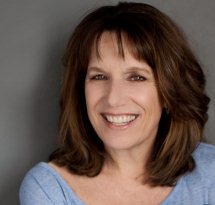
Gene MonterastelliGene Monterastelli is a Brooklyn based tapping practitioner. In addition to working with individual clients and groups, he regularly writes and records about how to use tapping to move from self-sabotage to productive action.
Gene’s Full Bio & Services


Subscribe via: Apple Podcasts | Google Podcast | Android Phone | Spotify | Pandora | Amazon Music | Audible | iHeart Radio | Castbox | Alexa | Stitcher | TuneIn | Deezer | aCast | Himalaya | Overcast | Luminary | RSS
Visit the complete Podcast Archive


This book is not just about EFT and tapping for anger. The book contains some of the most comprehensive step-by-step tapping tools that can be used for all emotions and can be added to your tapping tool set right away.

For every book purchased, four inmates will also receive a copy of the book.

For every book purchased 4 inmates will also receive a copy of the book.

Paperback | Kindle Version

Copyright © 2026 · Refund Policy · Terms of Use· Privacy Policy